

 Image 1 of 6
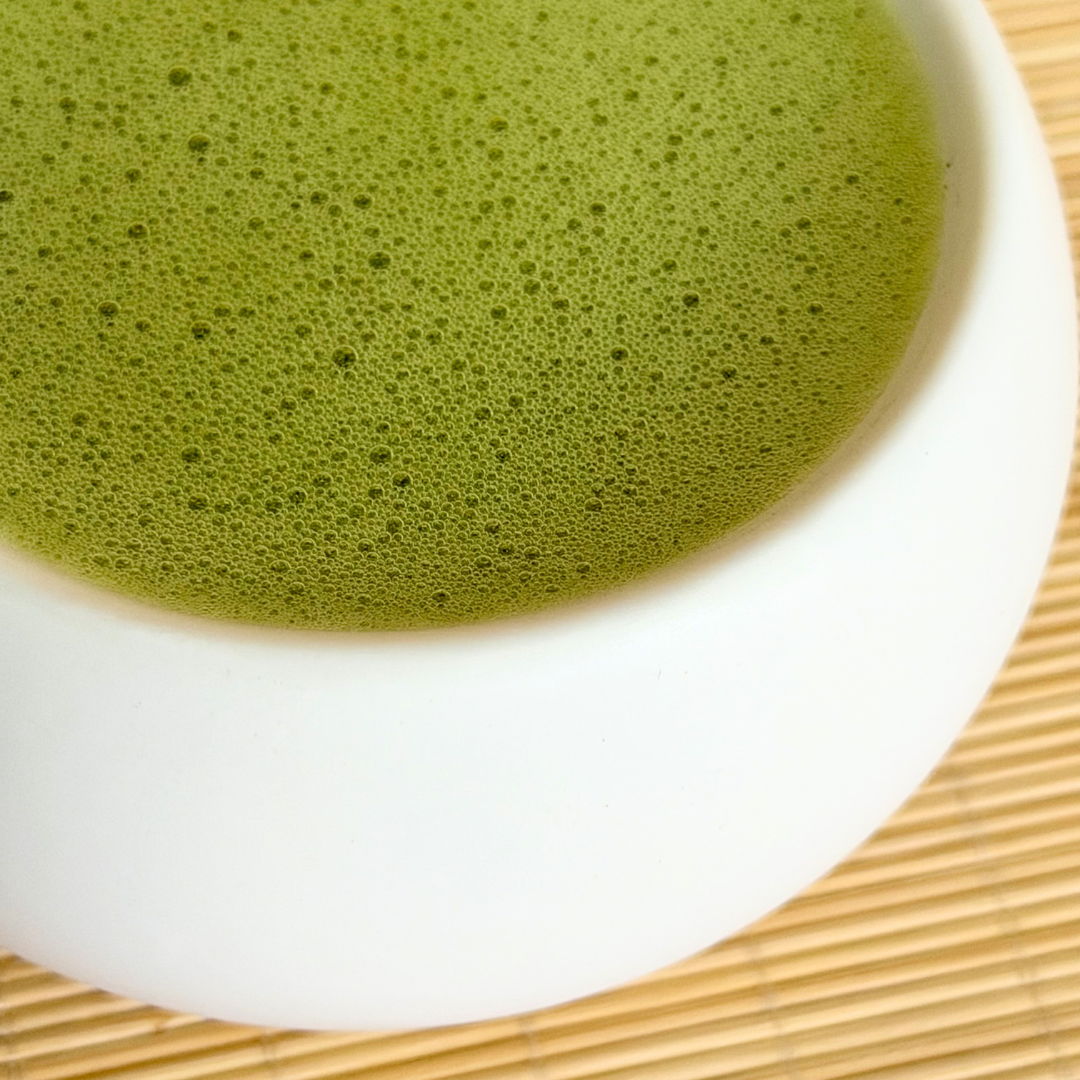 Image 2 of 6
 Image 3 of 6
 Image 4 of 6
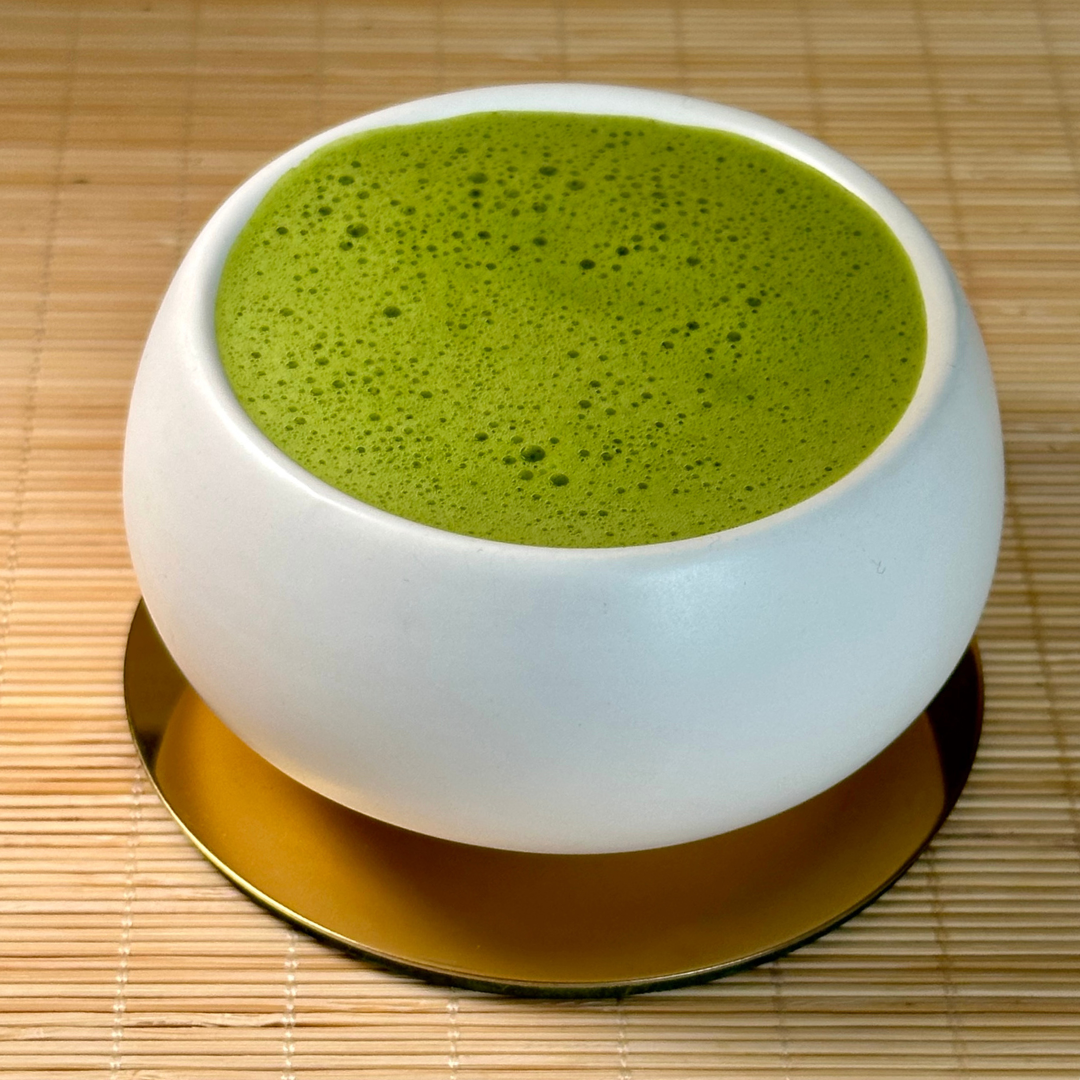 Image 5 of 6
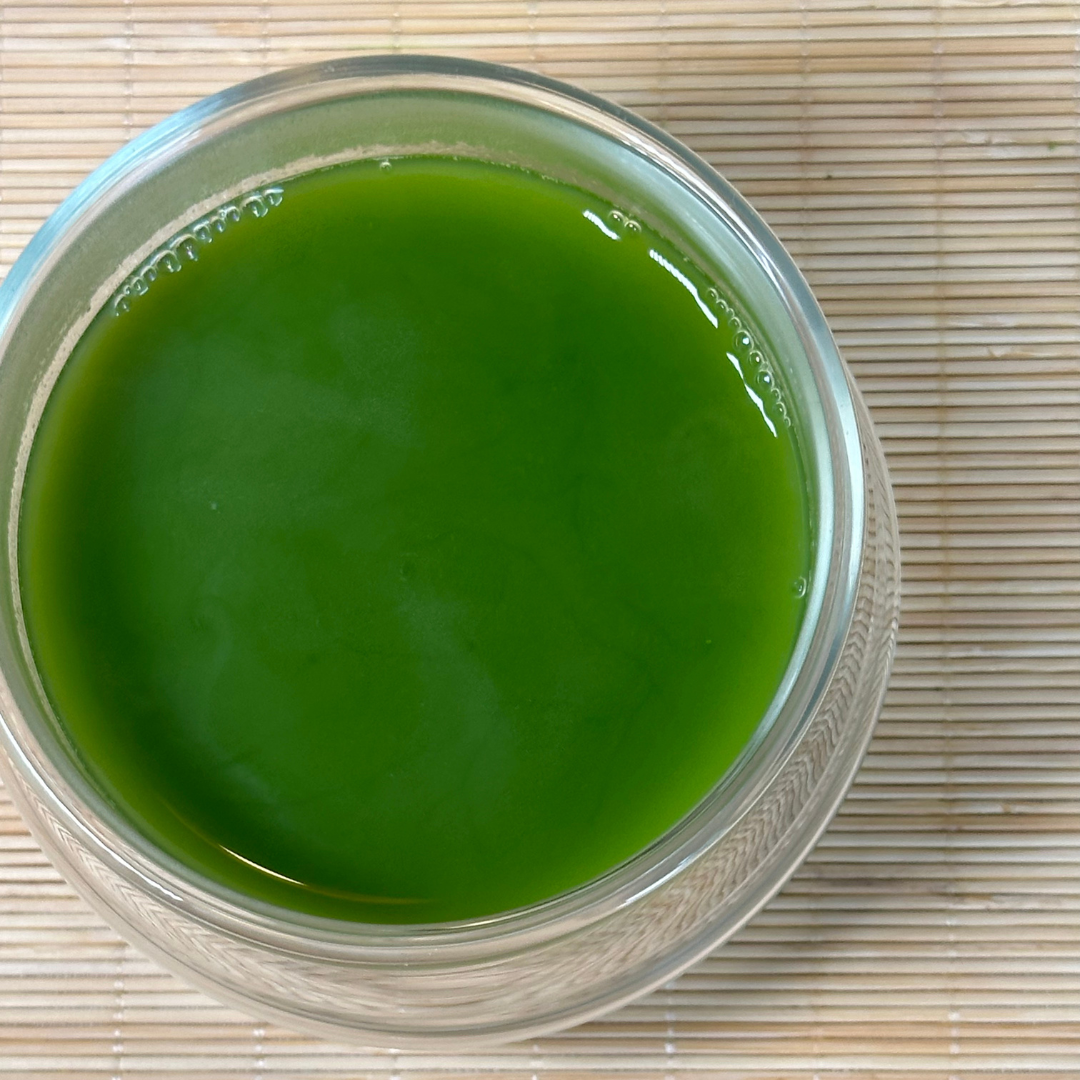 Image 6 of 6
-
What is Matcha?
Matcha is a finely milled green tea powder made from specially cultivated leaves of the Camellia sinensis plant. Unlike other teas, where the leaves are steeped and discarded, matcha is consumed in its entirety, allowing you to experience the full depth of the leaf, both in flavor and composition.
Matcha begins as tencha, a shade-grown green tea. In the weeks leading up to harvest, the tea plants are carefully covered to reduce sunlight exposure. This shading process increases chlorophyll and amino acid development, resulting in a deeper green color, enhanced umami, and a smoother, more complex flavor.
After harvest, the leaves are steamed, dried, and processed into tencha, with stems and veins removed. The tencha is then slowly stone-milled into an ultrafine powder, creating the vibrant, luminous green tea known as matcha.
Renowned for its purity and concentration, matcha contains naturally occurring catechins, L-theanine, and caffeine, offering a calm, sustained energy and a uniquely focused experience.
A Living Tradition
Matcha is deeply rooted in Japanese tea culture, particularly in Chado, the Way of Tea, and Chanoyu, the Japanese Tea Ceremony. For centuries, it has been prepared and shared as a practice of presence, simplicity, and respect.
A bowl of matcha is more than a beverage, it is an invitation into stillness, into attention, into a lineage of ritual that continues to evolve in both traditional and modern contexts.
Usucha & Koicha — Two Ways of Preparing Matcha
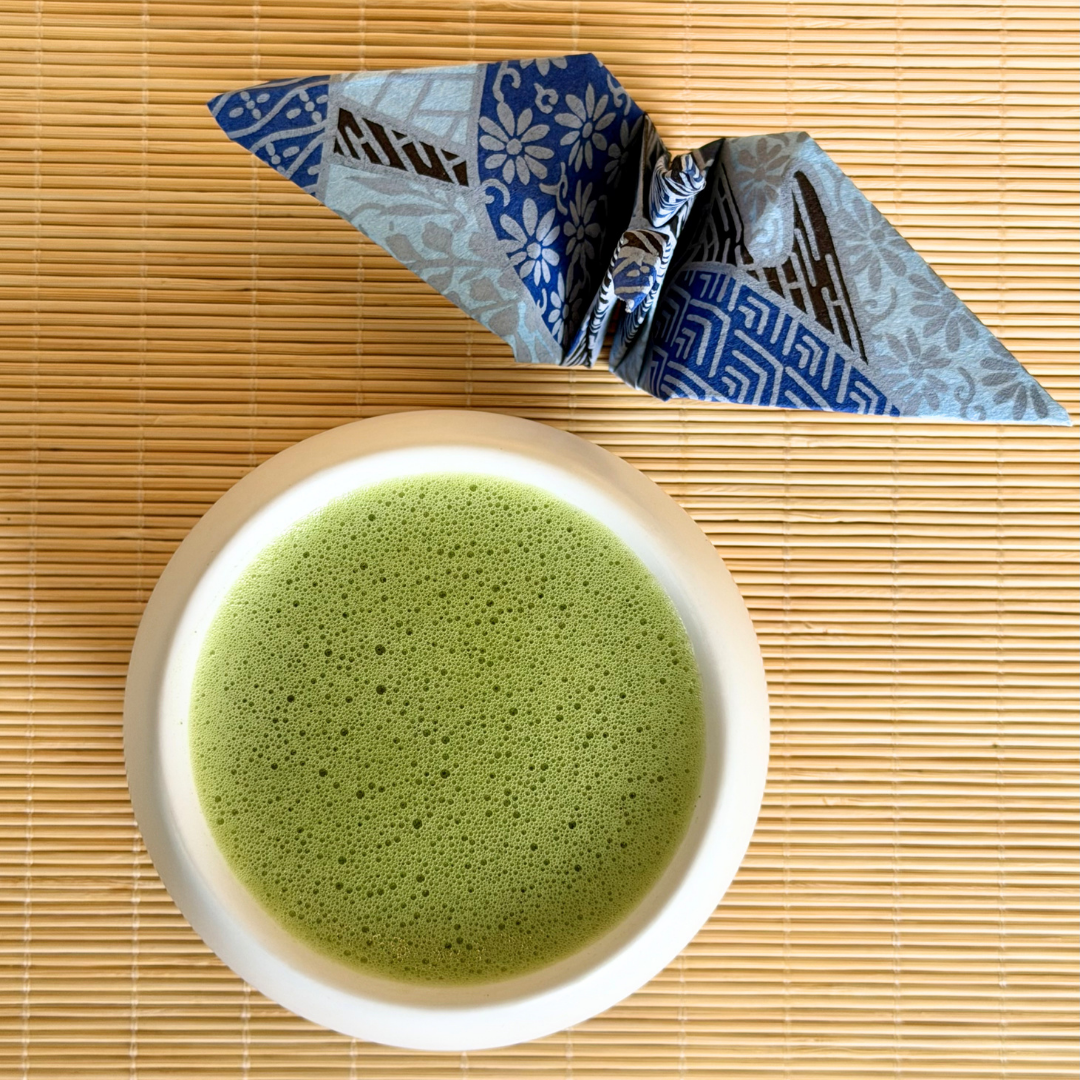
In Japanese tea practice, matcha is prepared in two primary styles: usucha (thin tea) and koicha (thick tea). These are not different types of matcha, but different expressions of the same tea.
Usucha (Thin Tea)
Prepared with less matcha and more water, usucha is whisked into a light, frothy bowl. It highlights brightness, clarity, and aromatic lift, making it the most common and accessible way to enjoy matcha, both traditionally and in everyday settings.Koicha (Thick Tea)
Prepared with more matcha and less water, koicha is kneaded rather than whisked, resulting in a dense, smooth, and glossy texture without foam. It emphasizes depth, umami, and sweetness, and is traditionally made using higher-grade matcha in more formal settings.Both preparations reveal different dimensions of the same leaf, offering a spectrum of experience from light and expressive to deep and contemplative.
-
Rich in Antioxidants: Matcha is packed with catechins, a type of antioxidant that fights free radicals in the body. It is particularly high in epigallocatechin gallate (EGCG), known for its cancer-fighting properties.
Boosts Metabolism: Regular consumption of Matcha can enhance fat burning and improve physical performance.
Calms the Mind: L-theanine, an amino acid present in Matcha, promotes relaxation without drowsiness, making it an ideal beverage for mental clarity and focus.
Detoxifies the Body: The chlorophyll in Matcha helps detoxify the body by removing heavy metals and chemical toxins.
Supports the Immune System: Matcha contains vitamins C, selenium, chromium, zinc, and magnesium, all of which contribute to a robust immune system.
-
Step 1: Begin by preheating your matcha bowl. Fill it about one-third full with hot water and briefly submerge the whisk prongs to moisten the tips (not the entire whisk!). Once the bowl is adequately warmed, discard the water and dry the bowl thoroughly with a cloth like a chakin. Set the whisk aside and measure out 2.3 oz of hot water for Usucha or 1.3 oz for Koicha into a separate measuring cup, allowing it to cool.
Step 2: Use the bamboo scoop to measure the matcha powder, approximately two scoops for Usucha or three to four scoops for Koicha, and deposit it into the bowl. It is highly recommended to sift the matcha before measuring to eliminate any clumps.
Step 3: Once the water from Step 1 reaches a temperature between 158°F and 190°F, pour it into the matcha bowl. The water temperature depends on your taste preferences and type of matcha.
Step 4: Grasp the whisk in one hand and hold the rim of the matcha bowl with the other. For Usucha, vigorously whisk the matcha in a W motion using your wrist (not your arm) until a thick froth with numerous tiny bubbles forms on the surface. Conversely, for Koicha, avoid creating froth with rapid whisking. Instead, employ a slower kneading motion from left to right, up and down, and a gentle 360-degree rotation to achieve a dense consistency. The resulting tea should be luxuriously thick, smooth, and devoid of froth.
Basic Tools for Matcha Mastery:
Chawan (Matcha Bowl)
Chasen (Bamboo Tea Whisk)
Chashaku (Bamboo Scoop)
Furui (Sifter)
Chakin (Tea Cloth)
-
Ingredients:
1 teaspoon matcha powder
2 ounces hot water (heated to 175°F)
6 ounces milk (dairy or plant-based)
Sweetener to taste (honey, agave syrup, or sugar)
Tools:
Chawan (matcha bowl) or small bowl
Chasen (bamboo whisk)
Chashaku (bamboo scoop)
Small saucepan
Milk frother
Milk pitcher
Instructions:
Step 1: Prepare the Matcha
Sift 1 teaspoon of matcha powder into your matcha bowl or small bowl to prevent clumps.
Add 2 ounces of hot water (heated to 175°F) to the matcha powder.
Whisk the matcha and water together using a chasen or milk frother. Whisk in a zigzag (M or W) motion until the matcha is frothy and well combined.
Step 2: Prepare the Milk
Heat 6 ounces of your preferred milk in a small saucepan over medium heat until hot but not boiling.
Froth the milk in a pitcher using a milk frother until it reaches your desired level of frothiness.
Step 3: Combine and Sweeten
Pour the frothy matcha into a chawan.
Add the frothed milk to the matcha, holding back the foam with a spoon to pour the liquid first, then spoon the foam on top.
Sweeten to taste with honey, agave syrup, or sugar. Stir gently to combine.
Step 4: Enjoy
Serve immediately and enjoy your delicious, creamy matcha latte!
Tips:
For a stronger matcha flavor, use more matcha powder.
For a creamier latte, use whole milk or a creamier plant-based milk like oat or almond milk.
Adjust the sweetness to your liking.
Check Modern Tea Culture for alternate recipes