Phoenix Hong Cha (Tea Coins)

from $34.00

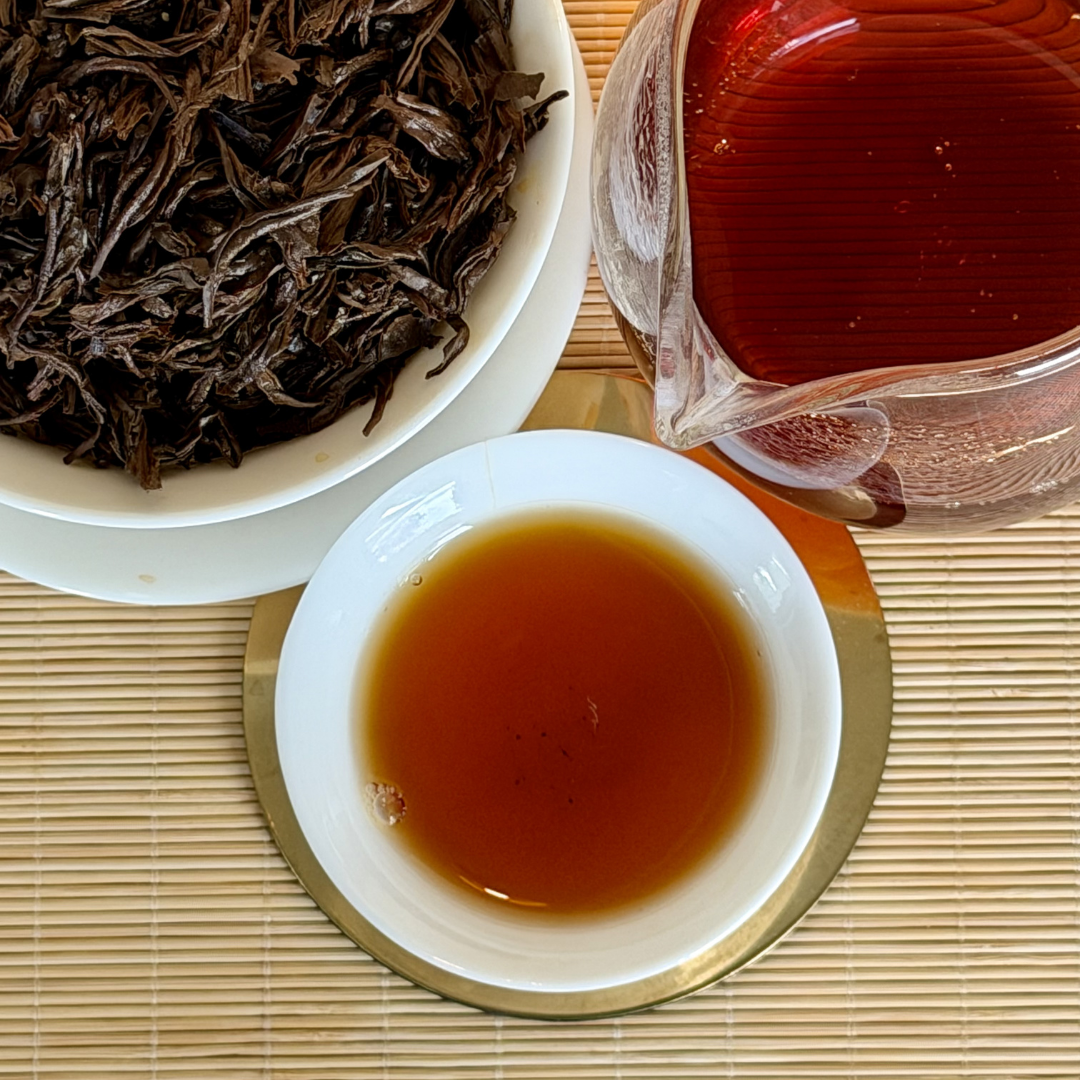
A refined and expressive hong cha (red tea; known as black tea in the West) crafted from the Shui Xian cultivar grown in Wudong Mountain, Phoenix (Guangdong).

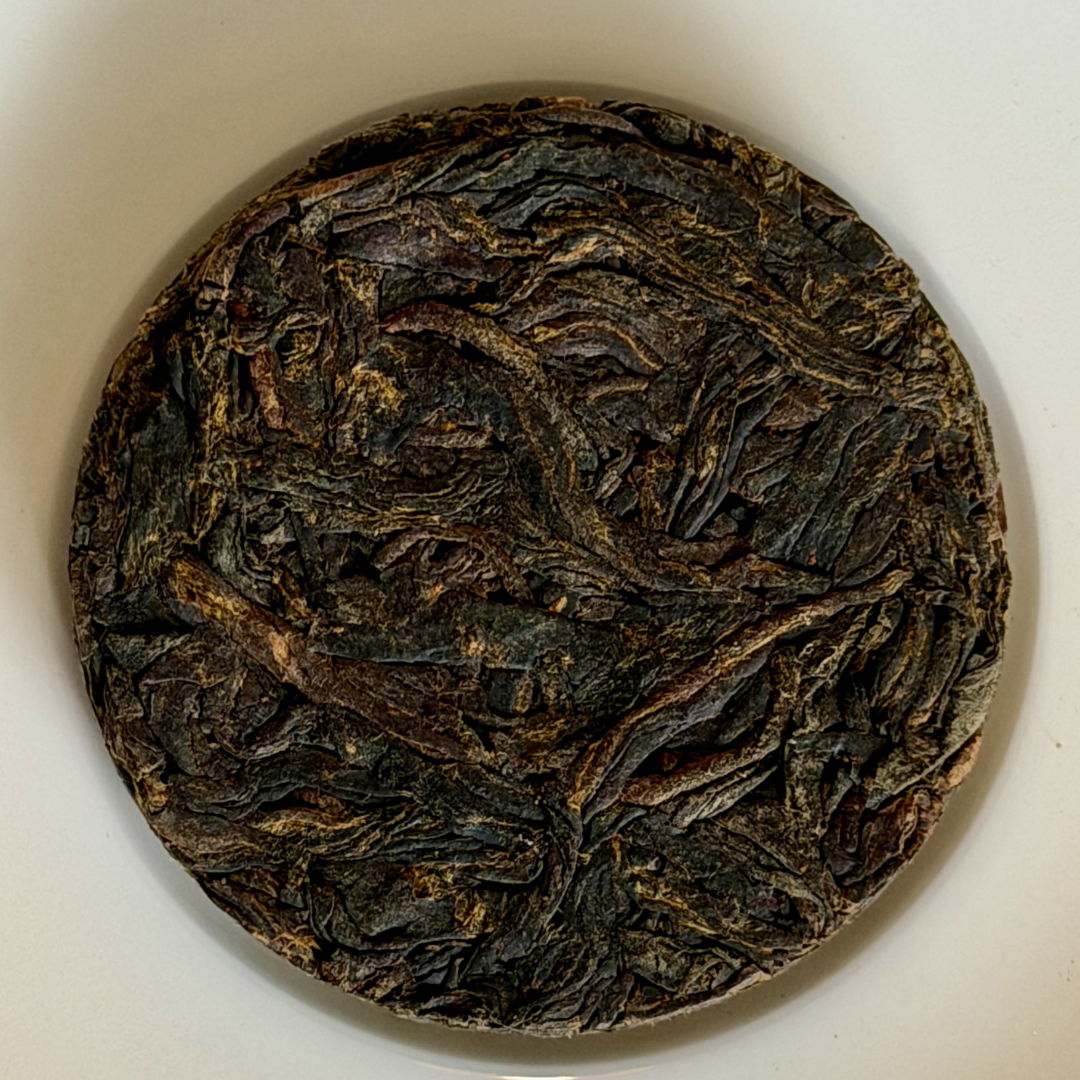
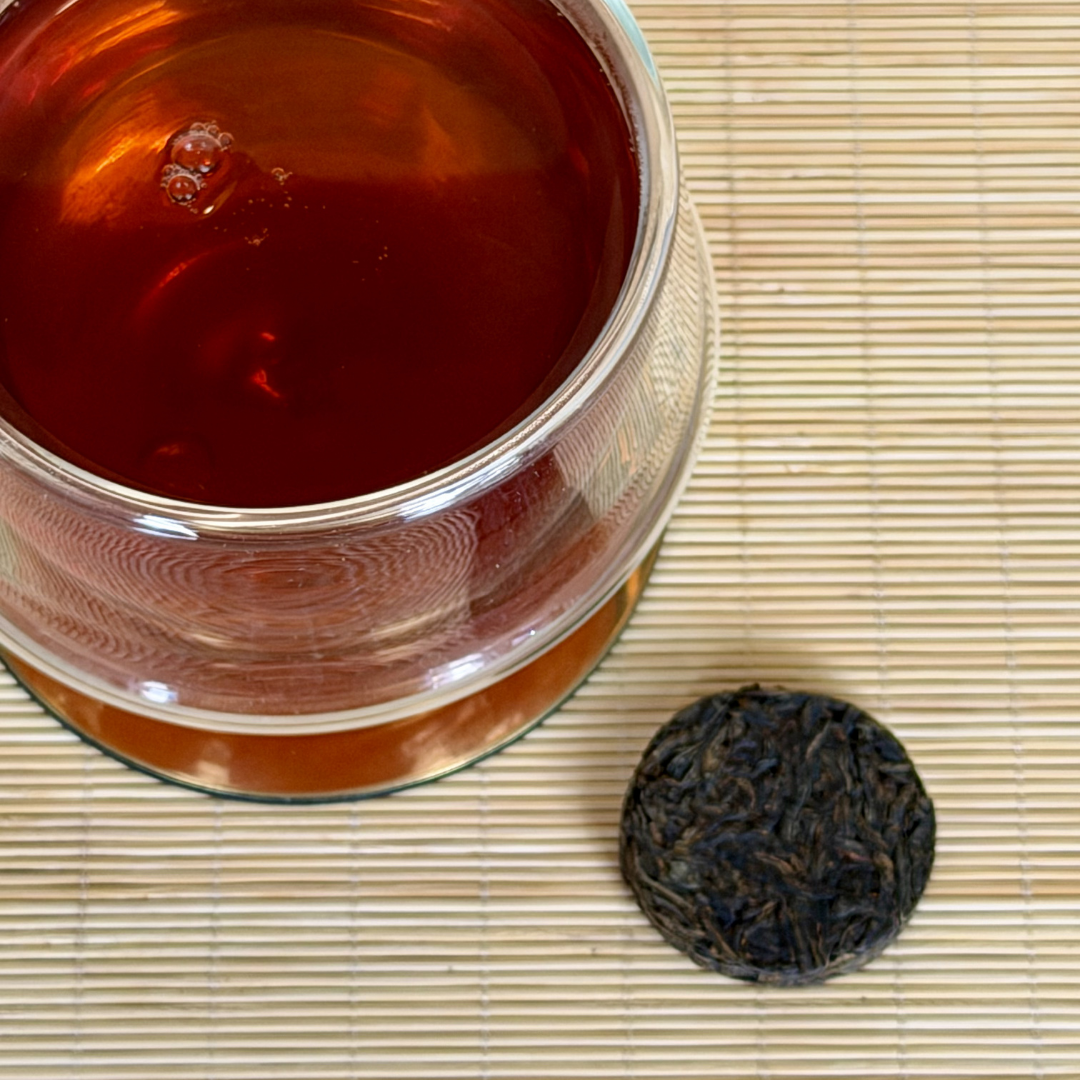
Pressed into convenient 5 gram tea coins, this offering brings together depth, aroma, and ease in a format designed for both daily ritual and connoisseur appreciation.

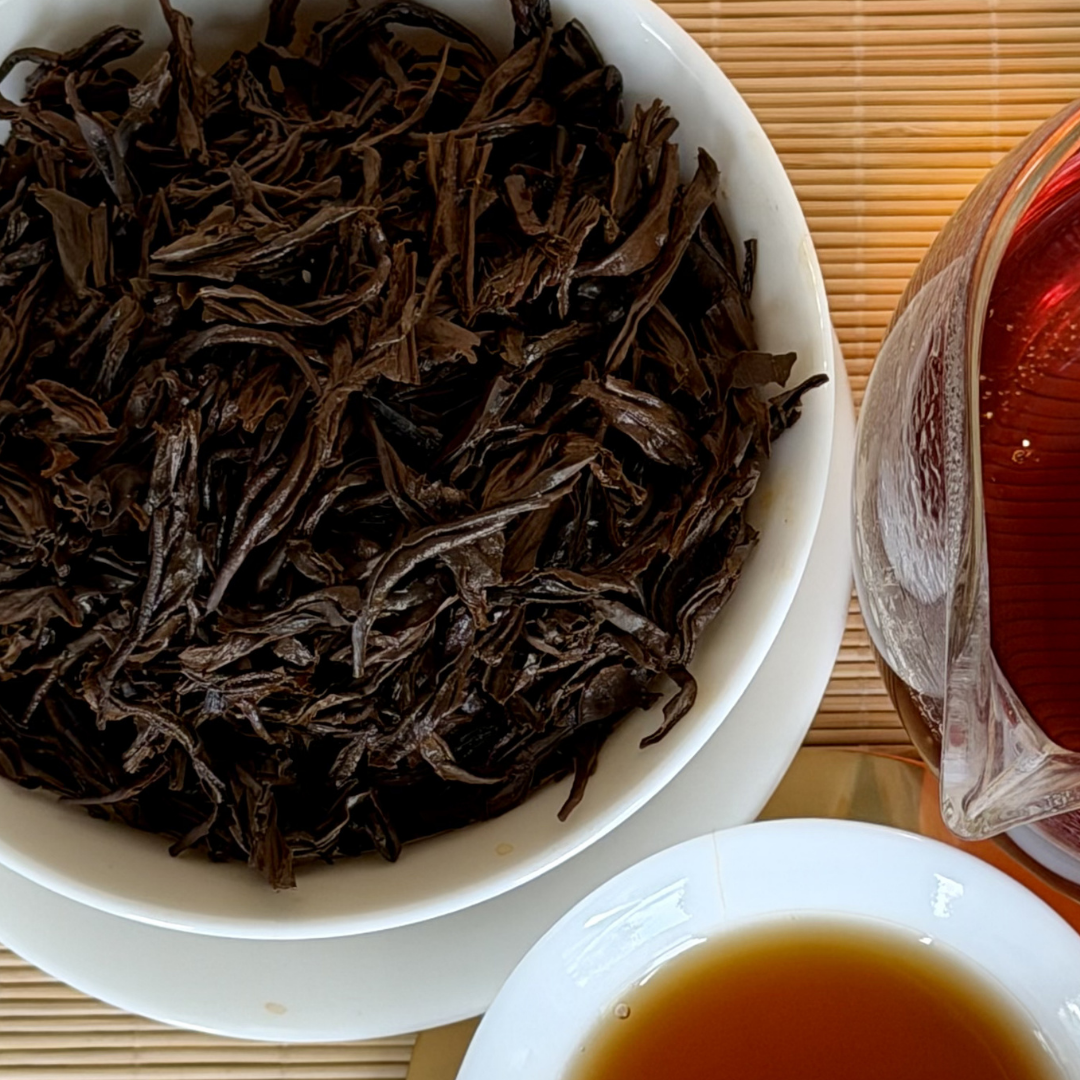
Traditionally associated with Wuyi rock oolong, Shui Xian here is fully oxidized into hong cha, revealing a richer, rounder profile while maintaining the cultivar’s signature structure. Harvested from 80-year-old trees at approximately 600 meters elevation and produced by an established tea family, the leaves are picked as two to three half-mature leaves, then fully oxidized and gently roasted in three rounds to develop body, clarity, and longevity in the cup. Pressed in August 2025, each 5 gram coin is perfectly portioned for a single gongfu or teapot session… no measuring, no breaking, just a clean and intentional brewing experience.

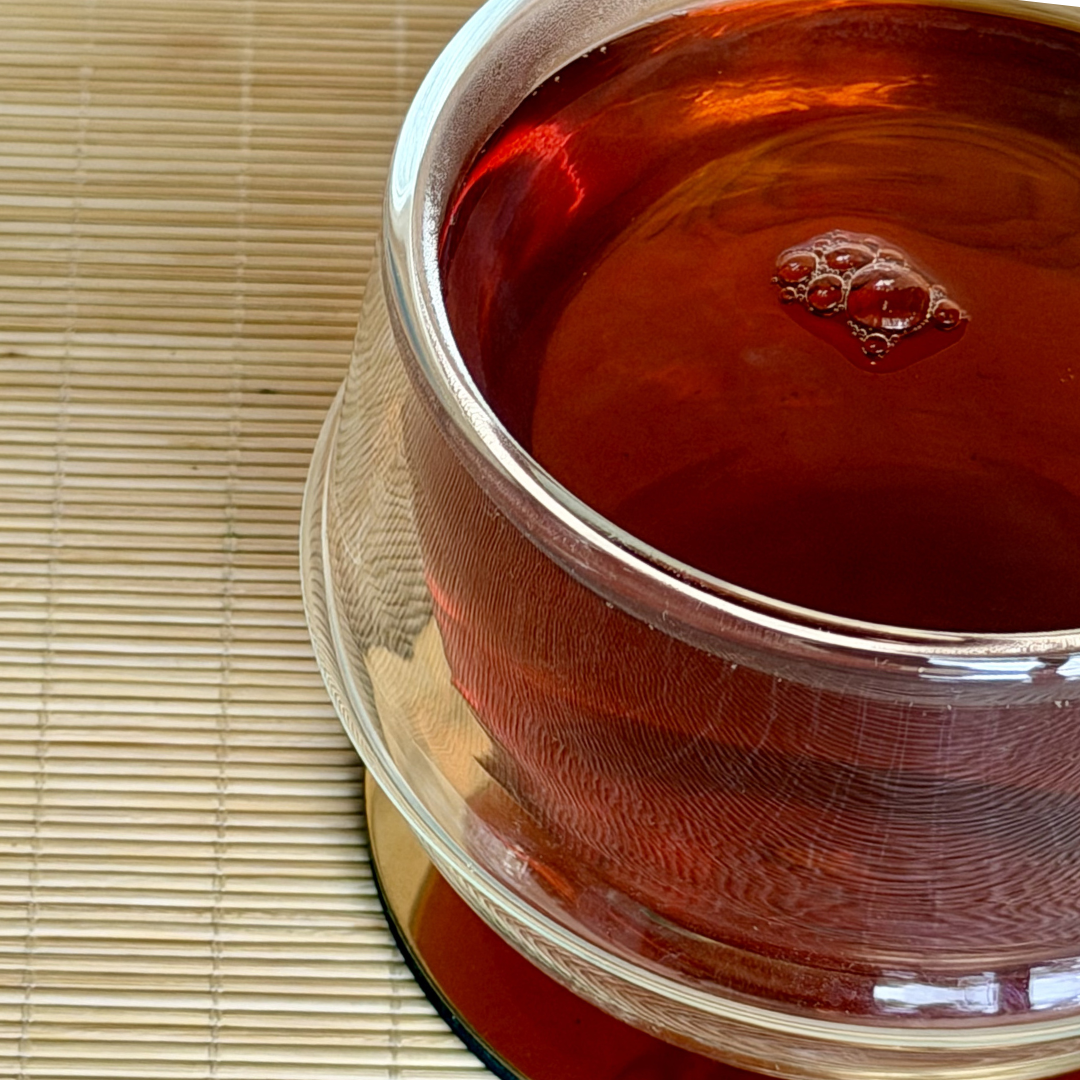
The cup opens with a vibrant fruit and floral sweetness, then deepens into honeyed malt and soft wood. Subtle notes of caramel and delicate smokiness add dimension, while a hint of rose lifts the finish. Thick and smooth, with a long, clean finish, this is a tea that is both immediately enjoyable and quietly complex. Easy to return to, yet layered enough to explore over multiple infusions.

Tasting notes:
Malt | Honey | Rose | Stone Fruit | Caramel

50 gram pouch (10 tea coins) | approx. 10 servings (each coin can be infused multiple times)
100 gram pouch (20 tea coins) | approx. 20 servings (each coin can be infused multiple times)

Origin: Wudong Mountain, Phoenix, Guangdong Harvest: Spring 2025 Pressed: August 2025
Ingredients: Cultivated without chemicals black tea

Size:

A refined and expressive hong cha (red tea; known as black tea in the West) crafted from the Shui Xian cultivar grown in Wudong Mountain, Phoenix (Guangdong).

Pressed into convenient 5 gram tea coins, this offering brings together depth, aroma, and ease in a format designed for both daily ritual and connoisseur appreciation.

Traditionally associated with Wuyi rock oolong, Shui Xian here is fully oxidized into hong cha, revealing a richer, rounder profile while maintaining the cultivar’s signature structure. Harvested from 80-year-old trees at approximately 600 meters elevation and produced by an established tea family, the leaves are picked as two to three half-mature leaves, then fully oxidized and gently roasted in three rounds to develop body, clarity, and longevity in the cup. Pressed in August 2025, each 5 gram coin is perfectly portioned for a single gongfu or teapot session… no measuring, no breaking, just a clean and intentional brewing experience.

The cup opens with a vibrant fruit and floral sweetness, then deepens into honeyed malt and soft wood. Subtle notes of caramel and delicate smokiness add dimension, while a hint of rose lifts the finish. Thick and smooth, with a long, clean finish, this is a tea that is both immediately enjoyable and quietly complex. Easy to return to, yet layered enough to explore over multiple infusions.

Tasting notes:
Malt | Honey | Rose | Stone Fruit | Caramel

50 gram pouch (10 tea coins) | approx. 10 servings (each coin can be infused multiple times)
100 gram pouch (20 tea coins) | approx. 20 servings (each coin can be infused multiple times)

Origin: Wudong Mountain, Phoenix, Guangdong Harvest: Spring 2025 Pressed: August 2025
Ingredients: Cultivated without chemicals black tea

  • Black tea's journey begins in the 17th century in the small village of Tongmu, nestled within a steep mountain valley. During this time, the tea in the village was processed as green tea. The local villagers, relying heavily on tea and bamboo cultivation to survive the harsh winters, faced a significant challenge when a crafty general decided to surprise his enemy by sending his troops through the mountain path that ran directly through Tongmu Village.

    One spring, after the tea picking had been completed, soldiers trampled through the village, forcing the villagers to flee and hide in the mountains. The soldiers consumed the villagers' minimal food supply and slept on the freshly picked tea leaves, leaving them broken and heavily oxidized. Upon their return, the villagers found their tea leaves in a state of ruin. To salvage their crop, one villager suggested roasting the leaves over horsetail pine charcoal, a local tree, to mask the strong, over-oxidized smell. This innovative approach resulted in a tea with a distinctive smoky flavor.

    Hoping for the best, the villagers begged a local merchant to take their altered crop. To their astonishment, the tea garnered a positive response, and the following year brought not only a profit but also a request for more of this unique pine-roasted tea. Thus, Lapsang Souchong was born, marking the inception of black tea.

    Lapsang Souchong's fame quickly spread beyond its native region. By the late 17th century, Dutch merchants had introduced it to Europe. The tea became a favorite among the British royal family and soon sparked the "afternoon tea" tradition that continues to this day. During the Qing Dynasty, Lapsang Souchong's international popularity soared. Historical records from the period indicate that 85% of black tea exported from China was Zheng Shan Xiao Zhong, known outside China as Bohea (pronounced boo-hee) tea or Lapsang Souchong. Despite imitations by farmers in other regions, the authentic Lapsang Souchong from Tongmu Village remained unparalleled in quality.

    Disclaimer: The account of troops passing through Tongmu Village and the subsequent accidental creation of Lapsang Souchong is a well-known legend in tea history. While it is widely accepted and repeated, specific historical evidence for this exact event is limited.

    • Rich in Antioxidants: Helps reduce oxidative stress and promote overall health.

    • Digestive Aid: Known to aid in digestion and soothe the stomach.

    • Stress Reduction: The act of brewing and savoring the tea, along with its comforting aroma, can help reduce stress.

    • Sustained Energy: Contains moderate caffeine levels, providing a gentle and sustained energy boost.

  • Preparation Method

    1. Western Preparation:

      • Use 3 grams of tea per 6-8oz of 200-205°F (91-96°C) using a teapot or infuser mug

      • Steep for 2-3 minutes

      • Good for multiple steeps

    1. Eastern Preparation (Gong Fu Cha):

      • Use 5 grams (1 tea coin) of tea per 100ml of water at 205°F (96°C) using a gaiwan or small teapot

      • Rinse the tea to awaken the leaves

      • Steep for 15-20 seconds

      • Increase steeping time by 5-10 seconds with each subsequent infusion

      • Enjoy multiple infusions to savor the evolving flavors