White Peony (Bai Mu Dan) White Tea

from $15.00

White Peony | Bai Mu Dan | Zhenghe, Fujian, China

A deeply satisfying mountain white tea with creamy sweetness, lasting warmth, and remarkable depth.

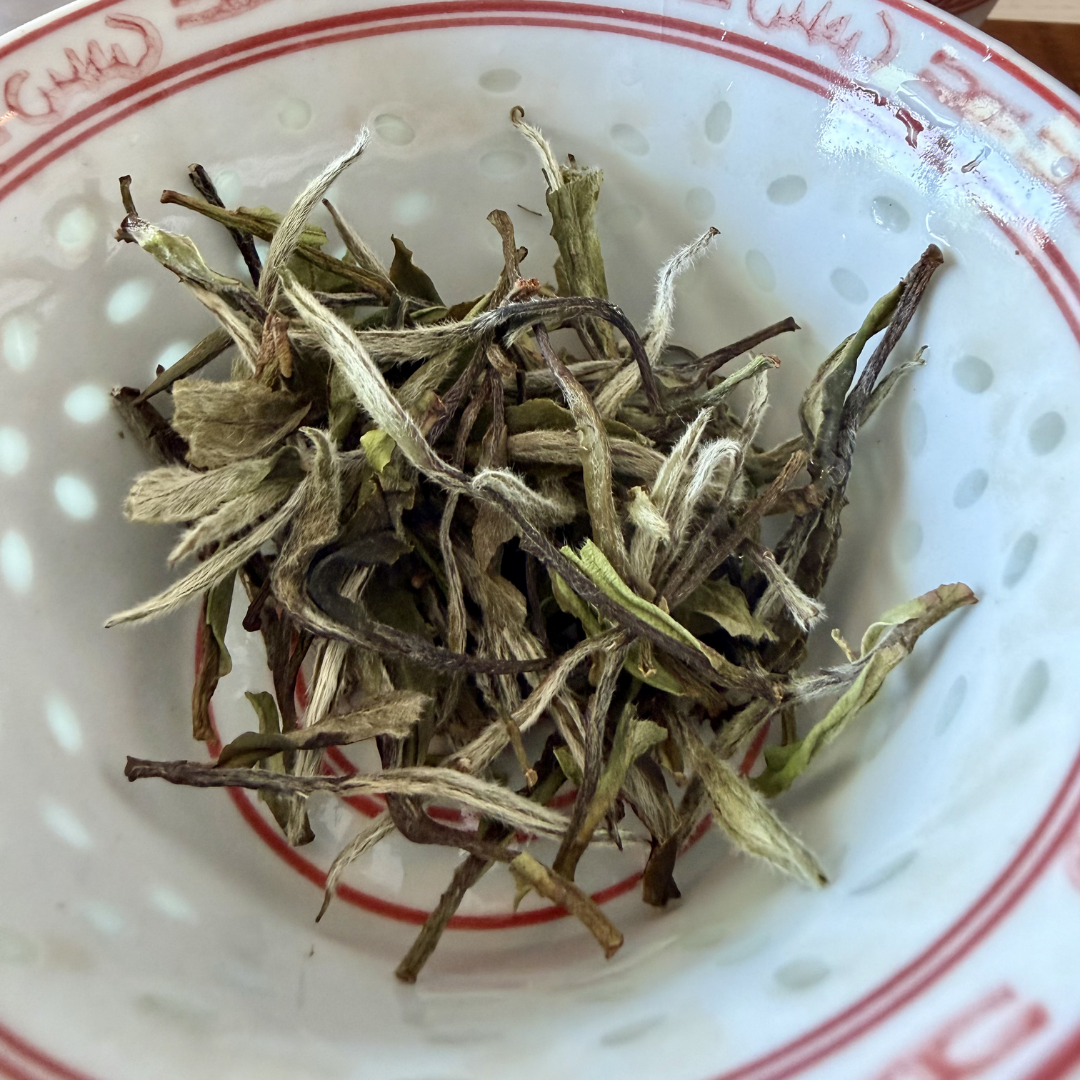
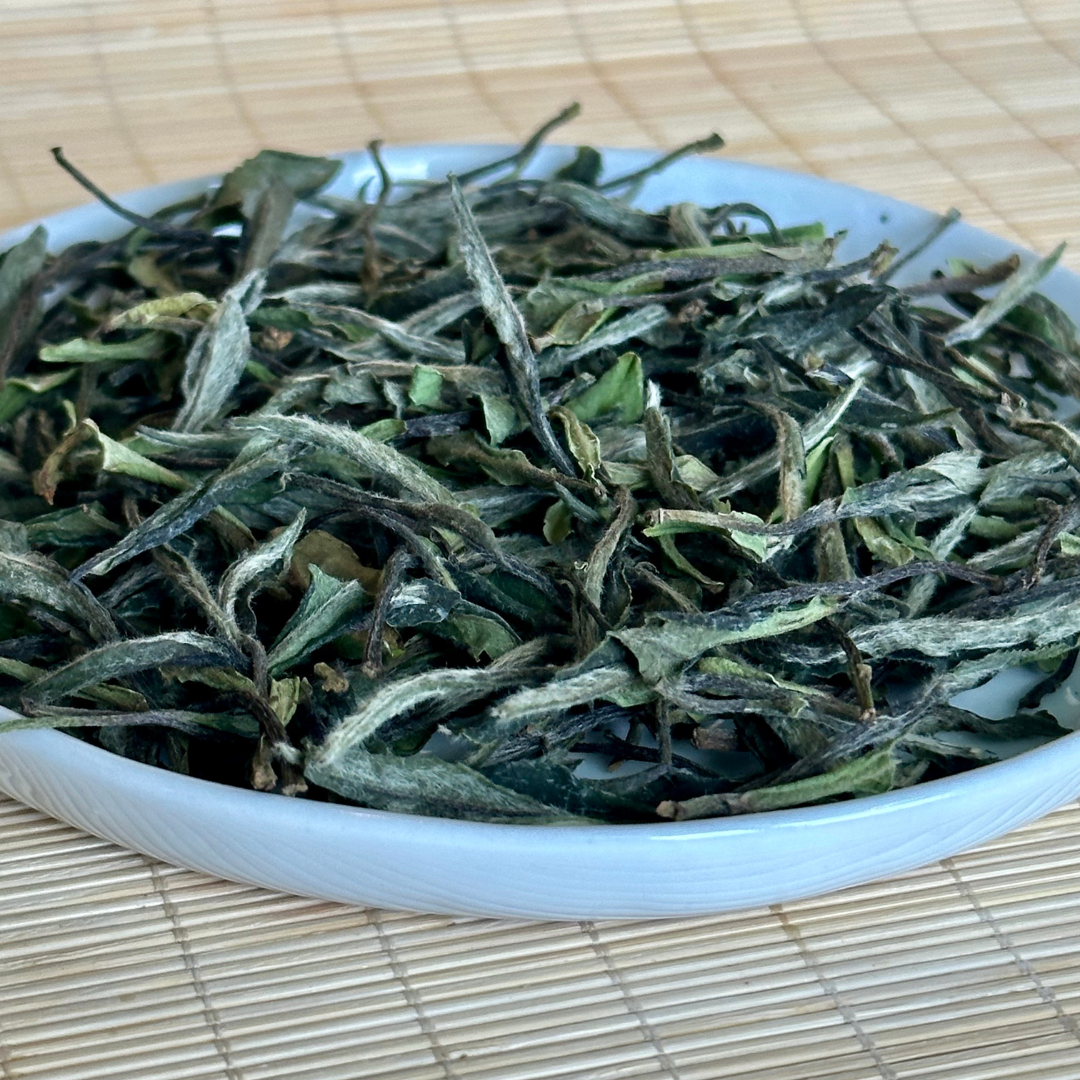
This high-grade Bai Mu Dan comes from Jinping Village in Zhenghe County, one of Fujian’s historic white tea regions known for producing fuller-bodied and more textured white teas. Crafted from tender spring leaves and plump silver buds of the Da Bai cultivar, the tea reflects the slower mountain growth and mineral-rich environment of Zhenghe’s elevated terrain.

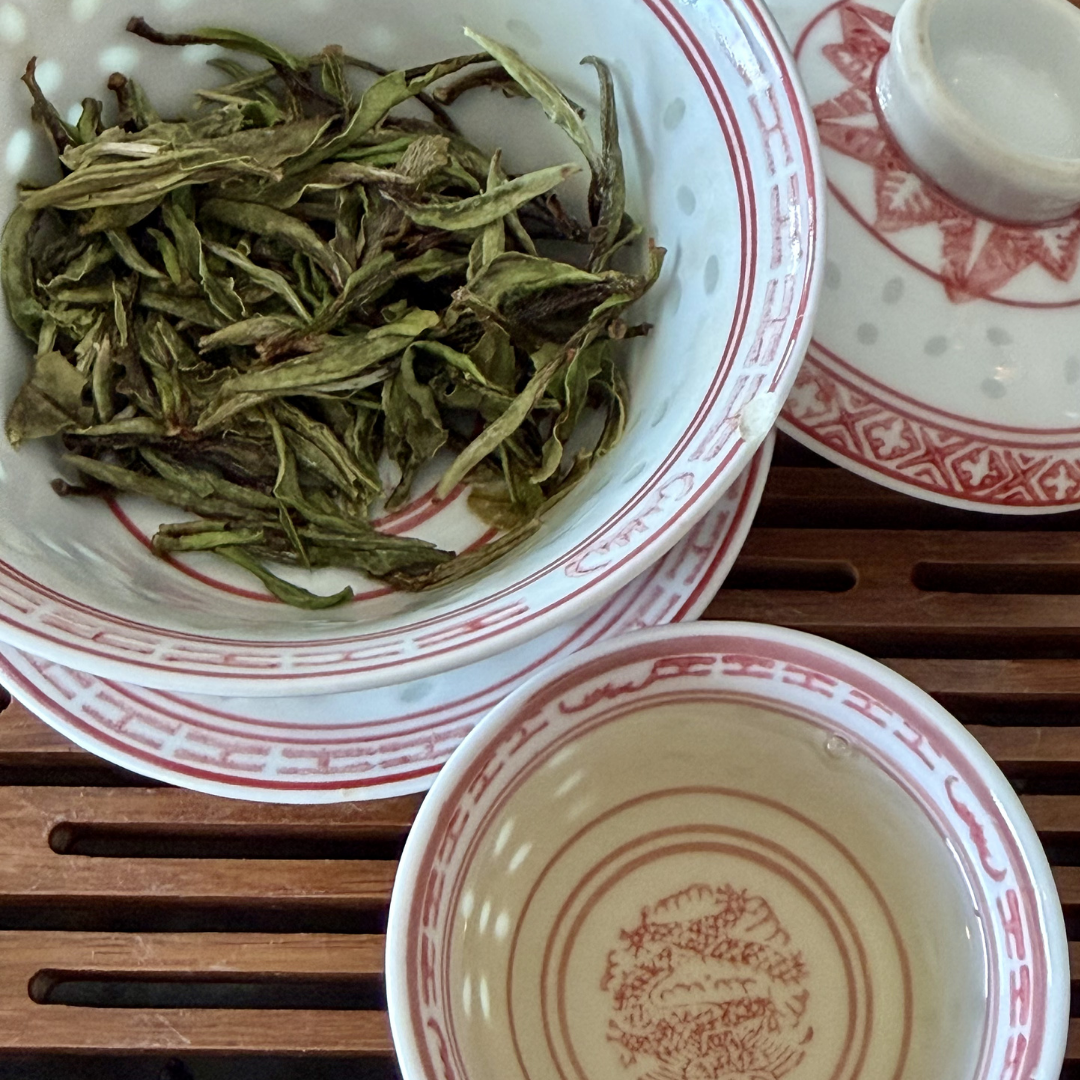
The dry leaf opens with aromas of sweet baked pastry and warm grain. Once infused, the tea reveals softened florals, fresh sugarcane sweetness, and a smooth, creamy texture that coats the palate. Notes of fresh cream, wildflower honey, and soft meadow florals unfold gradually through the session, supported by a profound returning sweetness that gathers in the throat and lingers long after each cup.

Unlike lighter, more delicate expressions of white tea, this Bai Mu Dan carries both grounding warmth and uplifting clarity. Rich without heaviness, silky yet substantial, it is a tea that invites slow attention and extended steeping.

Tasting notes:

Aroma: Sweet baked pastry, damp florals, sugarcane, wildflower honey

Flavor: Creamy sweetness, fresh cream, soft florals, lingering honeyed finish

Texture: Smooth, silky, and coating

Finish: Long-lasting throat sweetness with centered warmth and calm clarity

Energy: Grounding and uplifting simultaneously

25 gram pouch | approx. 9-12 servings (each serving can be infused multiple times)

50 gram pouch | approx. 17-25 servings (each serving can be infused multiple times)

Origin: Zhenghe, Fujian, China Harvest: Spring 2026 Ingredients: Cultivated without chemicals white tea

Size:

White Peony | Bai Mu Dan | Zhenghe, Fujian, China

A deeply satisfying mountain white tea with creamy sweetness, lasting warmth, and remarkable depth.

This high-grade Bai Mu Dan comes from Jinping Village in Zhenghe County, one of Fujian’s historic white tea regions known for producing fuller-bodied and more textured white teas. Crafted from tender spring leaves and plump silver buds of the Da Bai cultivar, the tea reflects the slower mountain growth and mineral-rich environment of Zhenghe’s elevated terrain.

The dry leaf opens with aromas of sweet baked pastry and warm grain. Once infused, the tea reveals softened florals, fresh sugarcane sweetness, and a smooth, creamy texture that coats the palate. Notes of fresh cream, wildflower honey, and soft meadow florals unfold gradually through the session, supported by a profound returning sweetness that gathers in the throat and lingers long after each cup.

Unlike lighter, more delicate expressions of white tea, this Bai Mu Dan carries both grounding warmth and uplifting clarity. Rich without heaviness, silky yet substantial, it is a tea that invites slow attention and extended steeping.

Tasting notes:

Aroma: Sweet baked pastry, damp florals, sugarcane, wildflower honey

Flavor: Creamy sweetness, fresh cream, soft florals, lingering honeyed finish

Texture: Smooth, silky, and coating

Finish: Long-lasting throat sweetness with centered warmth and calm clarity

Energy: Grounding and uplifting simultaneously

25 gram pouch | approx. 9-12 servings (each serving can be infused multiple times)

50 gram pouch | approx. 17-25 servings (each serving can be infused multiple times)

Origin: Zhenghe, Fujian, China Harvest: Spring 2026 Ingredients: Cultivated without chemicals white tea

  • White Peony (Bai Mu Dan), originating from Fujian province, is the second highest grade of white tea after Silver Needle (Bai Hao Yin Zhen). Harvested in early spring, it undergoes minimal processing, including withering and drying without rolling or oxidation. This gentle processing preserves the tea's natural compounds, resulting in its characteristic light, floral and fresh flavor. The name "White Peony" derives from the appearance of the dried leaves, which resemble peony flowers. This tea has a rich cultural heritage in China, symbolizing elegance and sophistication. Traditionally enjoyed leisurely, often in the company of friends or during peaceful, contemplative moments, its minimal processing and natural qualities make it a favorite among tea purists who appreciate the subtle nuances of high-quality white tea.

    Zhenghe County in Fujian Province is renowned for producing high-quality white tea, along with other regions like Fuding. Zhenghe teas tend to have a slightly stronger flavor compared to those from Fuding due to differences in microclimates, which influence the growth and character of the tea leaves. Both regions are celebrated for their delicate and aromatic white teas, with Zhenghe's reputation well-established in the white tea industry.

    • Rich in Antioxidants: High levels of catechins and polyphenols protect against free radicals.

    • Boosts Immune System: Natural antibacterial and antiviral properties support overall health.

    • Promotes Skin Health: Antioxidants help maintain a healthy, youthful complexion.

    • Calming Effect: Contains L-theanine, promoting relaxation without drowsiness.

  • Preparation Method

    1. Western Preparation:

      • Use 2-3 grams of tea per 6-8oz of 175-190°F (80-88°C) using a teapot, kyusu or infuser mug

      • Steep for 1-3 minutes

      • Good for multiple steeps

    1. Eastern Preparation (Gong Fu Cha):

      • Use 3 grams of tea per 100ml of water at 200°F (93°C) using a gaiwan or small teapot

      • Steep for 15-20 seconds

      • Increase steeping time by 5-10 seconds with each subsequent infusion

      • Enjoy multiple infusions to savor the evolving flavors

  • Cold steeping involves combining tea and cold water, allowing it to steep over an extended period. This method is ideal for green teas, white teas, light to mid oxidized oolong teas, and some botanicals.

    1. Measure:

      • Use 1 gram of tea per 2 oz of water.

    2. Combine:

      • Place tea leaves in a vessel and add cold, filtered water based on the ratio.

    3. Steep:

      • Refrigerate and steep for 4 to 24 hours. Use less tea for longer steep times to avoid over-extraction.

    4. Strain and Serve:

      • Strain the tea leaves and serve over ice or as is.

    5. Enjoy:

      • Relish the refreshing and flavorful cold-steeped tea, perfect for any time of the day.